






Notarial Translation: the Process and the Cost

A notarial translation is not simply a translation with a stamp on it. Israeli law provides two different certificates, and which one you receive depends on whether the notary reads both languages. This guide explains the difference, the steps, and how the fee is set.

A red notarial seal and ribbon on a certificate
Adv. and Notary Igal Mor
By Adv. and Notary Igal Mor
Updated · About a 6-minute read

What a notarial translation is

A notarial translation is the careful rendering of a document from one language into another, accompanied by a certificate from a licensed notary. It matters most for documents that have to be submitted to an authority or an institution: birth certificates, academic transcripts, contracts, and a great many others.

Institutions abroad, and Israeli authorities receiving foreign documents, generally will not accept a translation that carries no notarial certificate at all.
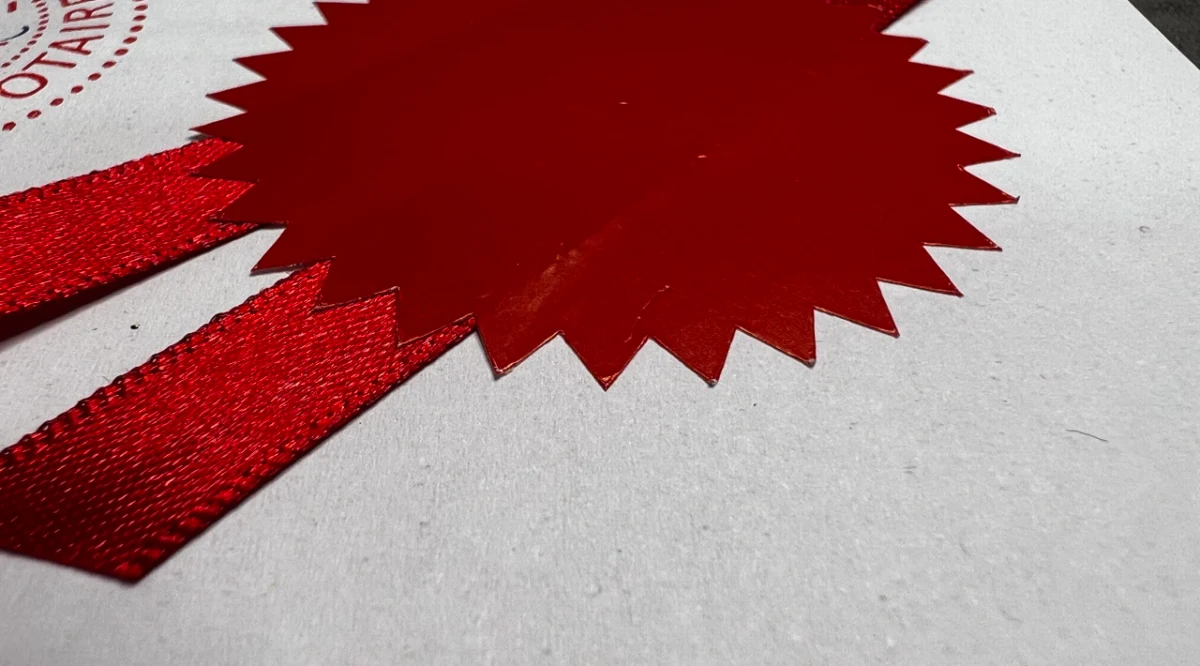
A red notarial seal and ribbon resting on a certificate
The certificate is bound to the translation and to the original, so the three cannot be separated.

Two different certificates

This is the distinction most people are not told about, and it changes both the procedure and the fee.

Certificate of the correctness of a translation. Where the notary is proficient in both the language of the original and the language of the translation, the notary certifies that the translation is correct. The notary is vouching for the translation itself.

Certificate of a translator’s declaration. Where the notary does not know one of the languages, the notary instead certifies the declaration of the translator, confirming the translator’s proficiency in both languages and the undertaking to produce a faithful translation.

Ask the receiving institution which of the two it requires before the work begins. The two are not interchangeable, and a document sent back is a document delayed.

The process step by step

  1. The translation. It can be produced by the notary, provided the notary commands both the source and the target language, or by a qualified translator. Either way, make sure the translator genuinely commands both languages.
  2. The certificate. If the notary knows both languages, a certificate of correctness is issued. If not, the translator’s declaration is certified instead.
  3. Binding. The certificate, the translation and a copy of the original are bound together and sealed, so that the set cannot be taken apart.
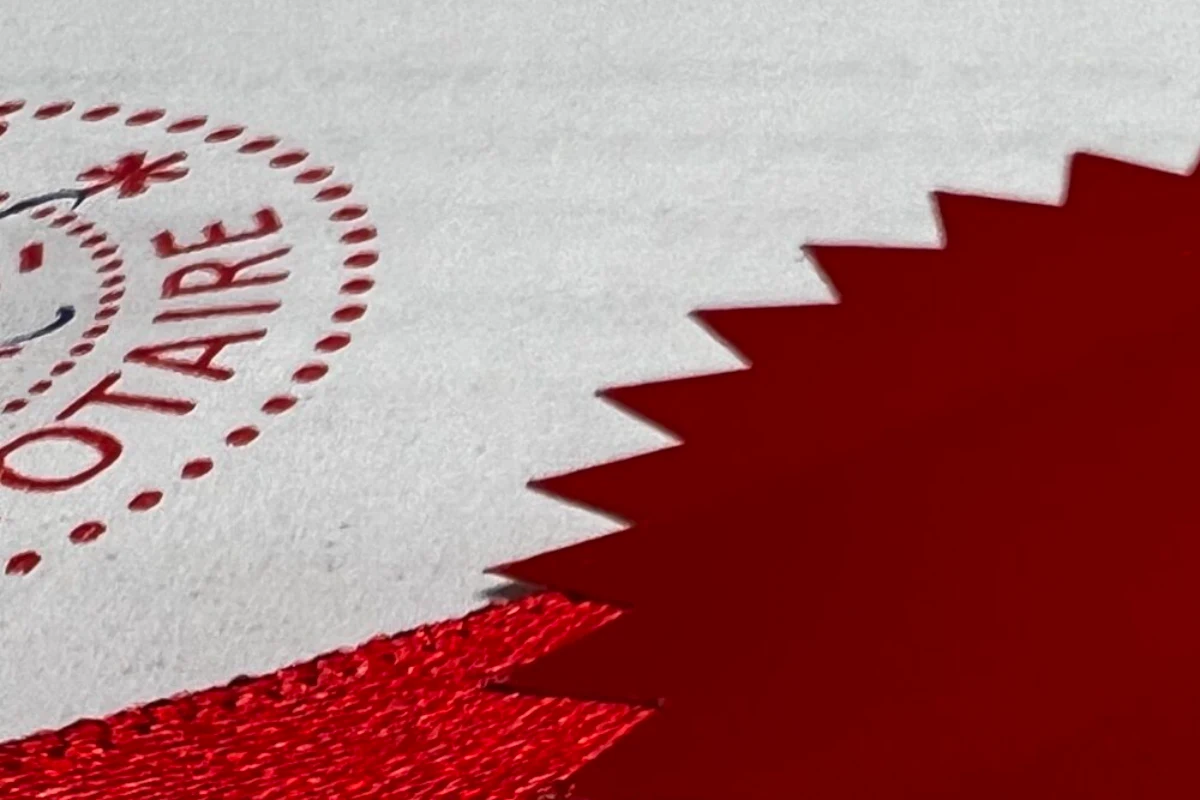
Close-up of the embossed notarial stamp pressed into the paper
Certificate, translation and original are bound as one set.

What it costs

The cost of a notarial translation follows the type of document and the number of words in it. The notary’s fee itself is fixed by the Notaries Regulations (Service Fees), 5739-1978, is identical at every notary in Israel, and is updated on 1 January each year according to the consumer price index.

The full and current price list, including the rate per hundred words, is kept in one place on our notary page.

Two costs are separate: the notary’s statutory fee, and the translator’s own fee where an external translator is used. Only the first is fixed by law.

The official forms

Both certificates have a wording prescribed by regulation, not drafted freely. They appear in the Second Schedule to the Notaries Regulations as the certificate of correctness of a translation and the certificate of a translator’s declaration.

Related forms, including authentication where the language of the document is unknown to the notary or to the signatory, can be downloaded from our page on notarial authentication of signature.

In summary

Before commissioning a notarial translation, two questions decide everything: which certificate the receiving institution requires, and whether the notary reads both languages. Settle those first and the rest is procedure.

For advice on a notarial translation, contact us by phone at 02-5953322 or on WhatsApp at 050-441-1343.

Questions and answers

What people ask most often

Which certificate do I need?
It depends on what the receiving institution requires and on whether the notary reads both languages. Ask the institution first, and bring us the answer.
Can the notary translate the document himself?
Yes, provided he is proficient in both languages. In that case he issues a certificate of the correctness of the translation.
Can I use my own translator?
Yes. The notary then certifies the translator’s declaration rather than the translation itself.
How is the fee calculated?
By the number of words, at a rate fixed in the Notaries Regulations and updated every 1 January. It is identical at every notary in Israel.
Is the translation accepted abroad?
For many countries an apostille is required in addition to the notarial certificate.
How long does it take?
It depends on the length of the document and on whether an external translator is involved. Tell us the document and the deadline and we will tell you honestly.
Notary Department

Need a notarial translation?

Tell us the document, the target language and who is asking for it. That is enough for us to say which certificate applies and what the statutory fee will be.

A lawyer from the department, not a call centre We will get back to you as soon as possible A fee fixed by regulation, not by us

You cannot copy content of this page