







Mor & Co. Law Firm & NotaryOnlineChat with us on WhatsApp

Appeals in the Planning System: When, Where and Within What Time

Almost any decision of a local committee can be challenged on appeal, but each type of decision is routed to a different committee and a different deadline. Some of those deadlines are very short, and missing them closes the route. This guide maps the tracks, the deadlines and what follows.

Legal documents on an office desk
Adv. and Notary Igal Mor
By Adv. and Notary Igal Mor
Updated · About an 8-minute read

What an appeals committee is

An appeals committee is a specialist administrative tribunal at district level, reviewing decisions of local planning and building committees. It is not a court, but it is empowered to examine the decision on its merits rather than only its legality, and to substitute a different decision.

That is a real advantage over going straight to court. An administrative court examines mainly the legality and reasonableness of the process. An appeals committee examines the planning substance as well, so the relief available in it is wider.

The two committees

Two separate appeals committees operate in each district, each with different jurisdiction. Going to the wrong one wastes time that is usually not available.

  • The planning and building appeals committee. Hears decisions on building permits, division and consolidation of land, spatial guidelines, connection to services, and applications on the abbreviated track.
  • The compensation and betterment levy appeals committee. Hears betterment levy assessments, compensation claims under section 197, and other matters the Law assigns to it.

It is the type of decision you received that determines where to go, not how you see the subject matter. A refusal of a permit goes to the first committee. A betterment assessment issued as a result of that same permit goes to the second.

Two people reviewing a legal document
The type of decision determines which appeals committee hears it, not the subject matter

The deadlines

These are the deadlines to meet. They are short, and they run from service of the decision or the assessment, not from the day you grasped what it meant.

Type of decisionWhereDeadline
Decision on a building permit applicationPlanning and building appeals committee30 days from receipt of the decision
Rejection of an objection to a planThe planning institution above it15 days
Betterment levy assessmentCompensation and betterment appeals committee45 days
Decision on a section 197 claimCompensation and betterment appeals committee45 days
The deadlines run from service of the decision. Being late closes the route even where the argument is a good one.

The right of appeal does not belong to the applicant alone. A person harmed by a decision to approve, for example a neighbour affected by a permit that was granted, may appeal within the same deadlines. A permit granted is therefore not final until the period has run.

How an appeal runs

  1. A notice of appeal setting out the decision, the grounds and the relief sought, with the documents and a fee.
  2. Responses from the respondents: the local committee, and sometimes the permit applicant or third parties.
  3. A hearing before the committee at which the parties make submissions. The committee may visit the site.
  4. A reasoned decision, which may allow the appeal, dismiss it, or allow it in part and remit the matter to the local committee with directions.

A good appeal does not repeat what was said in the objection. It identifies what is wrong with the decision itself: a consideration not weighed, a fact not examined, inconsistency with comparable decisions, or a departure from the applicable plan. A valuation or planning opinion is usually what gives the argument weight.

The deciding valuer route

Where the dispute is about the amount of the assessment rather than the liability itself, there is an alternative route: a deciding valuer. This is a property valuer appointed from a list, who considers both opinions and decides between them.

The advantage is that it is more expert and faster on purely valuation questions. The drawback is that the route does not suit a legal argument, for example that no liability arises at all, that an exemption applies, or that the plan produced no betterment in fact. An argument about the liability itself belongs in the appeals committee, not before a deciding valuer.

The choice between the routes is not technical and is made at the outset, because it affects what can be argued later.

After the decision

A decision of an appeals committee may be taken to the administrative court. It matters to understand how the review changes there: the court does not sit as a planning appellate body and does not substitute its own professional judgment. It examines legality, reasonableness and due process.

One practical conclusion follows: the full planning argument must be exhausted in the appeals committee. A point not raised there is very hard to raise for the first time in court, and the court will not in any event consider it as an expert body.
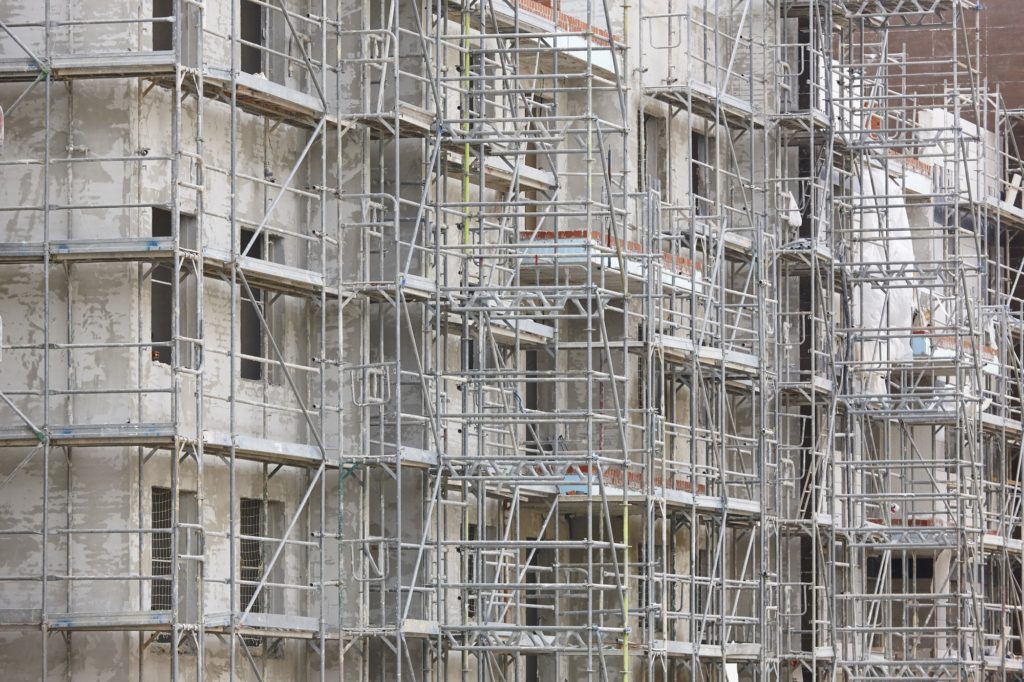
Scaffolding around a building under construction
The planning argument is exhausted in the appeals committee. The court examines legality and reasonableness

In these proceedings the deadline counts no less than the argument. If a decision, order or demand has arrived, contact us at once with the document and the date on it. Call 02-5953322, send a WhatsApp message to 050-4411343 or leave your details in the form below, and we will get back to you as soon as possible.

Questions and answers

What people ask most often

The committee refused my application. How long do I have to appeal?
30 days from receipt of the decision, to the district planning and building appeals committee. The period runs from service of the decision and not from the day you grasped what it meant. Being late closes the route even where the argument is good, so it is the first thing to attend to.
A neighbour got a permit that affects me. Can I appeal?
Yes. The right of appeal does not belong to the applicant alone. A person harmed by a decision to approve may appeal within the same 30 days. A permit granted is therefore not final until the period has run, which is worth knowing when you are the one holding the permit as well.
I received a betterment levy assessment. Where do I go?
To the compensation and betterment levy appeals committee, within 45 days. Where the dispute is only about the amount, there is an alternative route to a deciding valuer. Where the argument is that no liability arose, that an exemption applies, or that the plan produced no betterment, it belongs in the appeals committee rather than before a valuer.
What is the difference between an appeals committee and a court?
An appeals committee is an expert tribunal that examines the planning substance too and may substitute the decision. An administrative court examines mainly legality, reasonableness and due process, and does not substitute professional judgment. The planning argument must therefore be exhausted in the appeals committee.
My objection to a plan was rejected. Is there an appeal?
Yes, but the period is much shorter: 15 days, running from service of the decision on the objection. Note that this is a different route from an appeal against a building permit, both in who hears it and in the deadline.
Real Estate Department

You have a decision you want to challenge

Send us the decision or the assessment and the date it was served. We will tell you where to go, how much of the period is left, and what arguments the file holds.

A lawyer from the department, not a call centre We will get back to you as soon as possible No promise of outcome