




Special Services Benefit: Who Is Eligible, the Four Levels and the Supplements
The special services benefit is paid in working age to anyone who needs substantial help with daily activities or constant supervision, regardless of whether they work. Four levels, from ILS 1,943 to ILS 9,126 a month, are set according to the degree of dependence on others, and significant supplements are paid to ventilated recipients and to those employing two carers. An objection is filed within 90 days.
“Special services is the benefit most people are entitled to and do not claim, because they think it is for disability rather than for dependence.”
Adv. Yissachar Leibowitz · Head of the Social Security Department

What the special services benefit is, and how it differs from general disability
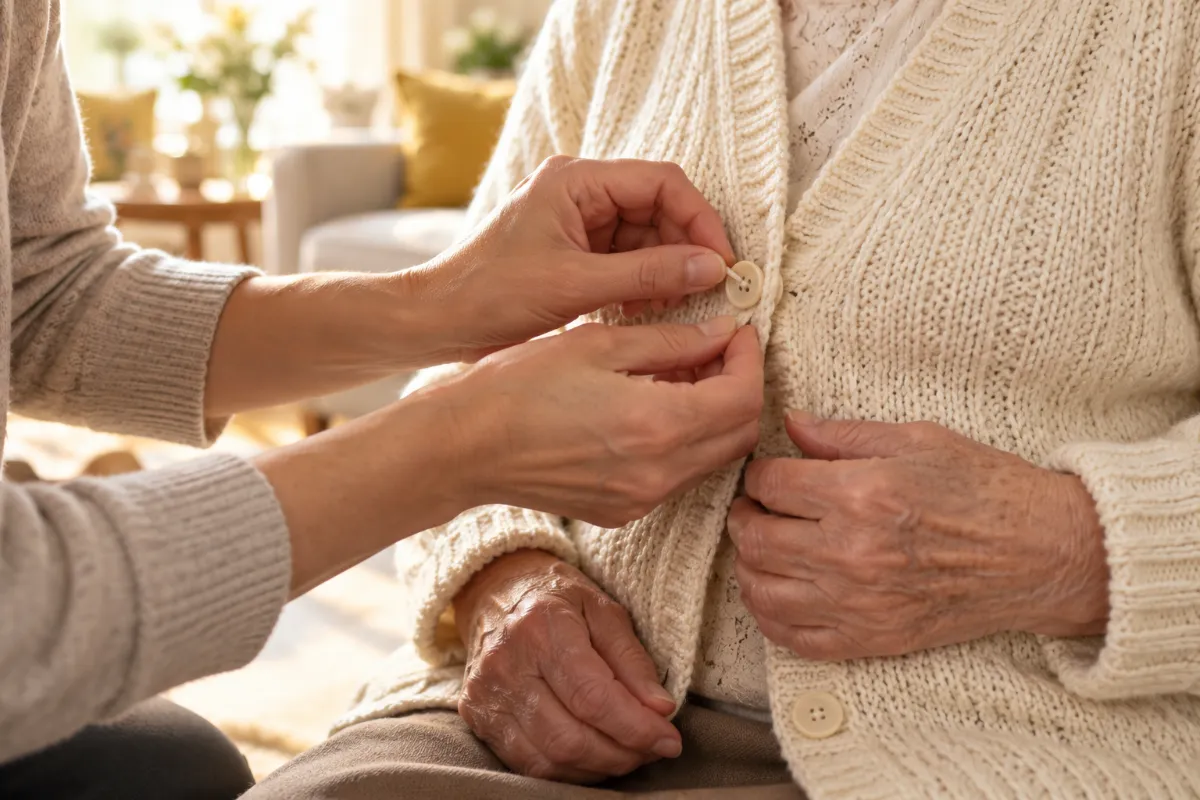
General disability asks how much earning capacity has been impaired. The special services benefit asks an entirely different question: how much help from another person is needed with daily activities. It is therefore paid to those who work, to those who receive a disability pension, and to those who do not, under different conditions.
The benefit is intended to fund the help itself: a carer, a family member who assists, supervision. It is paid to the claimant, who chooses how to use it. At retirement age it is replaced by the long-term care benefit, unless entitlement to it began earlier, in which case it is preserved.
Whoever knows the distinction sometimes discovers that they are entitled to two benefits in parallel, and sometimes that the right benefit for them is the one they had not thought of.
Eligibility conditions: age, medical condition and dependence
Entitlement is subject to four cumulative conditions, per National Insurance Institute publications:
- Age and residency: an Israeli resident from age 18 to retirement age. Whoever was entitled on the eve of retirement continues to receive, and a first claim may be filed up to six months after retirement age.
- Medical disability: a general disability pension recipient needs 60% medical disability (or 40% with one impairment of 25%); someone not receiving a disability pension needs 75% weighted medical disability.
- Dependence on others: a need for substantial help with daily activities, dressing, eating, bathing, mobility at home and personal hygiene, or a need for constant supervision to prevent danger to life.
- Income: gross monthly income from work not exceeding five times the average wage, ILS 68,845 (as of 1 January 2026).
Anyone in an institution providing medical, nursing or rehabilitation services is not eligible. Anyone already receiving the benefit who is hospitalised continues to receive it for the first 90 days.
The four levels: from 50% to 235%
The benefit is set as a percentage of a full disability pension, at four levels, according to the degree of dependence. The amounts as of 1 January 2026:
- 50%, ILS 1,943: someone who needs substantial help with most daily activities for most of the day.
- 112%, ILS 4,501: someone who needs substantial help with all daily activities for most of the day, or who needs constant supervision.
- 188%, ILS 7,181: someone entirely dependent on another person for all daily activities throughout the day.
- 235%, ILS 9,126: someone entirely dependent who also needs constant supervision.
The difference between the levels lies in the words “most”, “all”, “entirely” and “supervision”. They are determined in a dependence assessment, so the accurate description of each activity, at every hour of the day, is what separates ILS 1,943 from ILS 4,501 a month.
The supplements: ventilated recipients, children and two carers
Three supplements are added to the basic benefit, and each of them changes the amount considerably.
Ventilated recipient supplement: anyone assessed at 188% or above who is continuously ventilated is entitled to a supplement of ILS 10,774 a month.
Child supplement: a recipient with children under age 3 is entitled to a supplement of ILS 1,215 per child, up to two children.
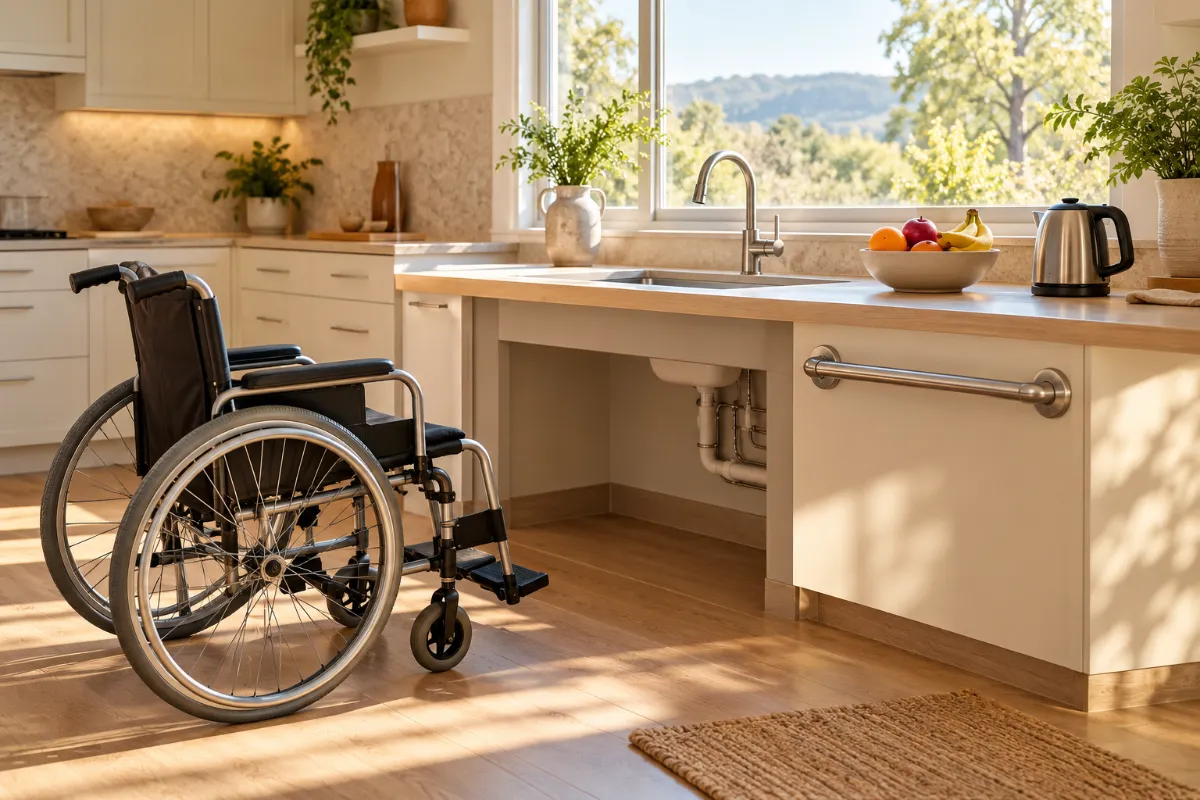
Two carers supplement: anyone with medical approval of the need for two carers at the same time, who employs them in practice, is entitled to a supplement of ILS 7,182. The supplement depends on actual employment, and therefore requires documentation.
Special services alongside other benefits
The benefit combines with other benefits under defined rules, and this is where most mistakes are made.
General disability: both can be received in parallel; they examine different questions. Mobility: both can be received only when the special services entitlement is 112% or above, or 100% mobility limitation has been determined, or the claimant uses a wheelchair according to the Ministry of Health determination. Otherwise one chooses.
Long-term care: both cannot be received. Anyone reaching retirement age with a special services entitlement chooses, and usually the cash benefit is preferable to a basket of hours, but the calculation is made according to the level and the needs. A special work injury allowance and payment for personal care under another law exclude entitlement.
The claim process and the dependence assessment
The claim is filed at the Institute branch on a dedicated form, with medical documents on the impairments and a description of the help needed. Anyone not receiving a disability pension is first examined by a medical committee to set the disability percentage, and then dependence is examined.
The dependence assessment is usually carried out at a home visit, by an assessor on behalf of the Institute, who examines each activity: dressing, eating, bathing, mobility at home, hygiene, as well as the need for supervision. In some cases the decision is made on the documents without a visit.
Preparation for the visit is a factual description of an ordinary day: what the claimant does alone, what with help, what not at all, and at which hours. A visit on an unusually good morning, or a display of ability that does not exist in daily life, lowers the level. The presence of the carer or the family member who actually assists helps the assessor see the picture.
Objection: 90 days, and the court
A decision on special services, a rejection or a level, is contested by a reasoned written objection within 90 days of receiving the decision letter, to a special services appeals committee. The objection is built from the dependence assessment report: which activity was scored too low and why, and which medical documentation was not considered.
Decisions arising from provisions of the law rather than from the dependence assessment, such as hospitalisation in an institution, stay abroad, receipt of mobility, high income or a request for retroactive payment beyond six months, are challenged by a claim in the regional labour court within 12 months. In these proceedings the claimant is entitled to state legal aid with no means test.
Anyone whose condition has worsened may request a new dependence assessment, with a medical certificate confirming the deterioration.
In summary
In summary, the special services benefit is paid from age 18 to retirement age to anyone who needs substantial help with daily activities or constant supervision, subject to a medical disability of 60% (for a disability pension recipient) or 75% (for someone who is not) and a work income ceiling of ILS 68,845. Four levels, 50% to 235%, from ILS 1,943 to ILS 9,126, with supplements for ventilated recipients, for children under 3 and for two carers. An objection within 90 days.
The complexity is that the benefit is examined by dependence rather than by disability, that the levels differ in words determined in a single visit, and that combination with mobility, long-term care and general disability is subject to different rules. A lawyer who knows the five activities and the combination rules knows which level to aim for, what needs to be seen at the visit, and what not to file so as not to lose another benefit.
If you or a family member need help with daily activities, whether you work or not, contact us with the medical documents and we will tell you frankly whether there is entitlement, at which level, and how it combines with the benefits you already have.
What comes up most about special services
I work. Am I entitled to special services?+
Yes, if you meet the medical disability and dependence conditions. The benefit does not depend on earning capacity, and the work income ceiling is high: five times the average wage, ILS 68,845 a month (as of 1 January 2026).
What disability percentage is needed?+
A general disability pension recipient: 60% medical disability, or 40% with one impairment of at least 25%. Someone not receiving a disability pension: 75% weighted medical disability. After the medical threshold, dependence on others is examined, and that sets the level.
What is the difference between the 50% level and the 112% level?+
The 50% level (ILS 1,943) is granted to someone who needs substantial help with most daily activities for most of the day. The 112% level (ILS 4,501) is granted to someone who needs substantial help with all activities, or who needs constant supervision. The difference is determined in the dependence assessment, activity by activity.
Can special services and mobility be received together?+
Only in three cases: a special services entitlement of 112% or above, 100% mobility limitation according to the Ministry of Health, or wheelchair use according to the Ministry of Health determination. Otherwise one of the two must be chosen.
What happens at retirement age?+
Anyone entitled to special services on the eve of retirement continues to receive it, and a first claim may be filed up to six months after retirement age. Long-term care opens from retirement age, but both cannot be received, so one chooses according to what serves the claimant best.
How long do I have to object?+
A reasoned written objection is filed within 90 days of receiving the decision letter, to a special services appeals committee. Decisions arising from provisions of the law, such as hospitalisation, income or mobility, are challenged by a claim in the regional labour court within 12 months.
All department pages
General disability · Committees and appeals
General disability claimFibromyalgiaBenefits overviewRepresentation at the medical committeePreparing for the medical committeeObjections and appealsMedical opinionNeed help with daily activities?
Send us the medical documents and a description of an ordinary day. We will check the medical threshold, prepare you for the dependence assessment, and tell you which level to expect and how it combines with other benefits.